
I am a one-person "everything" here at fetchprofits, I've had the privilege of working with countless e-commerce founders, business owners, and developers. This Kinsta vs Bluehost comes about because I've seen the real implications of switching from one to other (or by choosing to stick to either one of them).
I've seen the exhilarating highs of a thriving online store and the gut-wrenching lows of a site brought to its knees by unexpected traffic or a security breach.
One of the most common, yet often overlooked, bottlenecks to growth and stability I encounter is hosting. It's the silent foundation of your entire online operation, and while it might seem like a minor detail, it can literally make or break your business.
Today, we're diving deep into a comparison that I see play out constantly: Kinsta vs. Bluehost. For many, Bluehost is the first step into the WordPress world. It's affordable, accessible, and widely recommended for beginners.
But here's the truth: as your site grows, as your traffic increases, and as your business stakes get higher, the very features that made Bluehost appealing become severe limitations.
This isn't about shaming Bluehost; it serves a purpose. Similar purpose when I first started out with Lunarpages several years ago.
This is about understanding why serious WordPress sites, those built for revenue, scale, and resilience, eventually make the switch to a platform like Kinsta. It's about moving from "good enough" to "built for growth."
Let's unpack this.
The Early Days: Why Bluehost Often Appeals First
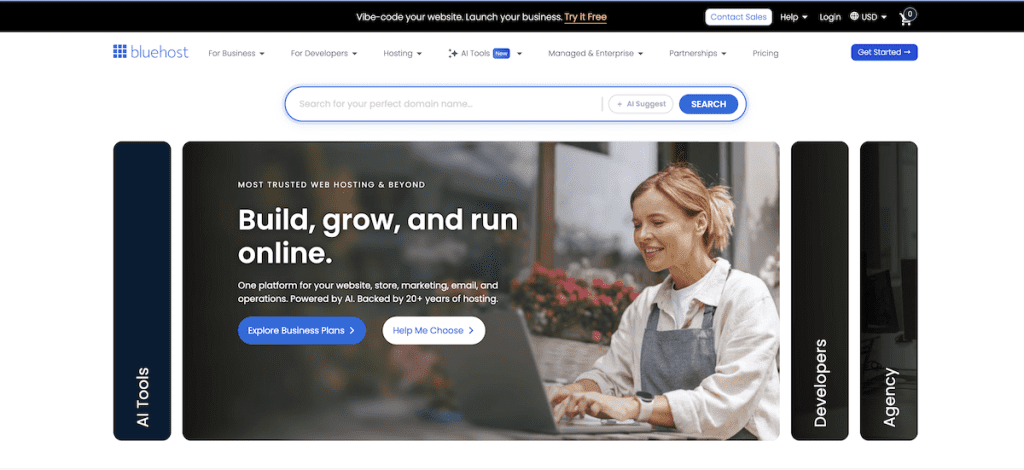
When you're just starting out, building your first website or launching a new e-commerce venture, budget and simplicity are often top priorities. This is where Bluehost, and many other shared hosting providers, shine.
- Affordability that Feels Right: Let's be honest, the low introductory prices are incredibly attractive. You can get a domain and hosting for what feels like pocket change per month. For a new founder testing the waters, this minimal investment is a huge draw.
- Beginner-Friendly Experience: Bluehost's cPanel interface and one-click WordPress installation make getting started incredibly easy. You don't need to be a developer to launch a basic site. It's designed to remove technical barriers for non-tech-savvy users.
- Ubiquitous Marketing & Recommendations: Bluehost is heavily promoted, often appearing on "best hosting for beginners" lists and even recommended by WordPress.org itself (though this recommendation is for entry-level sites, a nuance often missed). This widespread endorsement creates a sense of trust and familiarity.
For a personal blog, a simple portfolio, or a brand-new business with minimal traffic expectations, Bluehost can certainly get the job done. It's like buying your first car – a reliable, economical sedan that gets you from A to B. But what happens when you need to transport a growing family, tow a heavy trailer, or race on a track? That's when the limitations become painfully clear.
The Tipping Point: When Bluehost Starts to Falter
I've seen it countless times: a business owner pours their heart and soul into their WordPress site, traffic starts to pick up, and then... things start to break. The initial euphoria turns into frustration, then panic. This is the tipping point where shared hosting, like Bluehost, reveals its inherent limitations for serious operations.
1. Performance Degradation: The Silent Killer of Conversions
This is often the first and most painful symptom.
- The "Noisy Neighbor" Effect: Bluehost, by nature, is shared hosting. This means your website shares server resources (CPU, RAM, disk I/O) with hundreds, sometimes thousands, of other websites. If one site on your server experiences a traffic spike or runs an inefficient script, your site's performance suffers. You're at the mercy of your "noisy neighbors."
- Lack of Advanced Caching: While Bluehost offers basic caching, it's rarely sufficient for dynamic WordPress sites with e-commerce functionality or frequent content updates. Without robust, server-level caching, every page request hits your database hard, slowing everything down.
- Slow Load Times & Their Consequences: Google prioritizes fast-loading sites. Users abandon slow sites – studies show conversion rates drop significantly with every extra second of load time. A slow site isn't just an annoyance; it's a direct hit to your SEO, your user experience, and ultimately, your revenue. I've seen businesses lose tens of thousands in sales during peak seasons simply because their site couldn't keep up.
2. Stability & Uptime Issues: When Your Site Disappears
Imagine launching a major marketing campaign or running a flash sale, only for your website to go down. This isn't a hypothetical scenario; it's a reality for many on shared hosting.
- Traffic Spikes Become Site Crashes: A sudden influx of visitors, which should be a cause for celebration, often overwhelms shared servers. Instead of scaling, your site simply crashes, turning potential customers away.
- Vulnerability to Shared Environment Problems: A DDoS attack targeting another site on your shared server can easily impact yours. Server-wide issues, even if unrelated to your specific site, can lead to widespread downtime.
- Lack of Robust Infrastructure: Shared hosting isn't built for mission-critical operations. It lacks the redundancy, auto-scaling, and dedicated resources needed to guarantee high availability when it matters most.
3. Security Concerns: A Constant Worry
In today's digital landscape, security isn't optional.
- Shared Vulnerabilities: Being on a shared server inherently increases your risk. If one site on the server is compromised, it can create a backdoor or vulnerability that affects others.
- Less Proactive Monitoring: While Bluehost has security measures, they are often less proactive and sophisticated than those found on managed platforms. You're more likely to be responsible for detecting and cleaning up malware yourself.
- The Headache of Remediation: Dealing with a hacked site is a nightmare. It's time-consuming, stressful, and can severely damage your brand reputation and SEO.
4. Support Limitations: When You Need Real Answers
When your business is on the line, you need expert help, fast.
- Generic Support, Not WordPress Specialists: Bluehost's support staff are typically general hosting technicians. While helpful for basic issues, they often lack the deep, specialized WordPress expertise required to troubleshoot complex plugin conflicts, database errors, or performance bottlenecks unique to your site.
- Longer Resolution Times: Due to the sheer volume of users and the generalist nature of the support, getting complex issues resolved can take significant time, costing you valuable uptime and revenue.
- DIY Troubleshooting: You'll often find yourself spending hours researching and trying to fix problems that a specialized support team could resolve in minutes.
5. Scalability Roadblocks: Stunting Your Growth
Your business is growing, and your hosting should facilitate that, not hinder it.
- Limited Resources & Painful Upgrades: Moving between shared hosting tiers or attempting to upgrade resources often involves downtime, manual intervention, and a clunky process. It's not designed for seamless, on-demand scaling.
- Not Built for Rapid Success: If your product goes viral, or a celebrity endorses you, your site needs to handle a massive, sudden surge in traffic. Shared hosting simply isn't engineered for this kind of rapid, elastic scalability.
Enter Kinsta: The Solution for Serious Growth
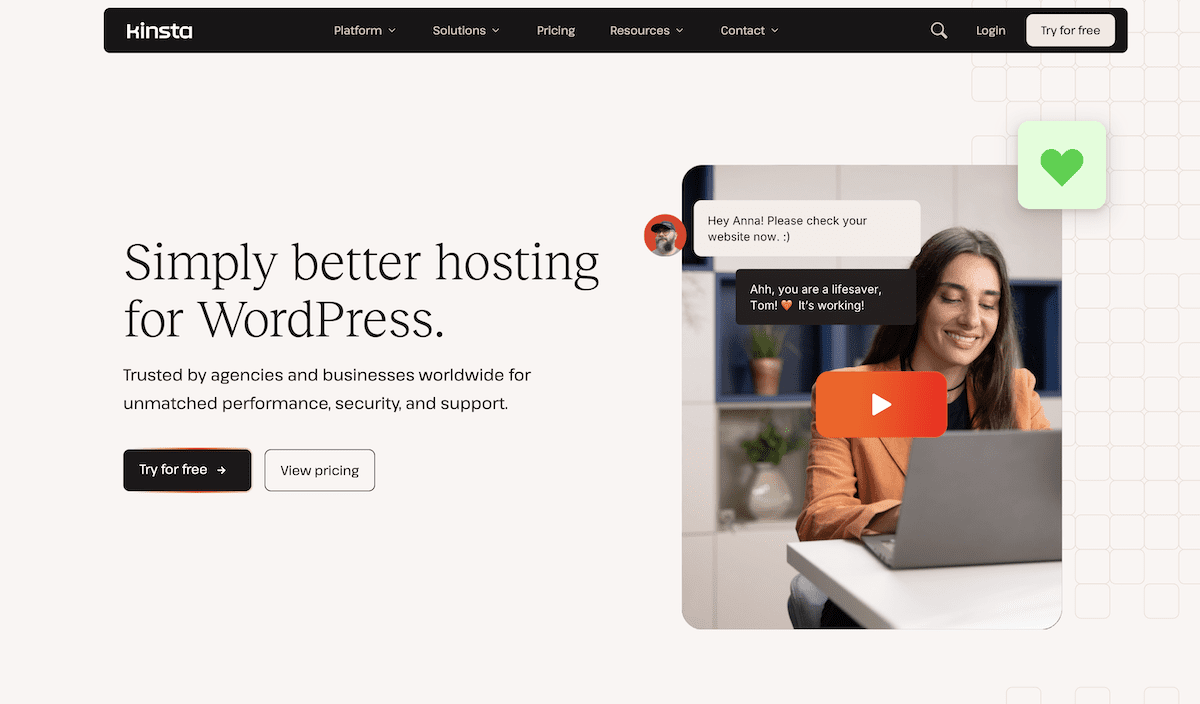
This is where Kinsta steps in. It's not just "more expensive hosting". In fact, it's a fundamentally different approach, built from the ground up to solve the very problems that plague growing WordPress sites on shared platforms.
Think of it as upgrading from that economical sedan to a high-performance, custom-built vehicle designed for speed, safety, and reliability on any terrain.
1. Blazing Fast Performance: Driving Revenue and SEO
Kinsta is engineered for speed, leveraging cutting-edge technology to ensure your site loads incredibly fast, even under heavy load.
- Google Cloud Platform's Premium Tier: Kinsta is built exclusively on Google Cloud Platform's premium network, meaning your data travels through the fastest, lowest-latency routes available. This alone provides a significant speed advantage.
- Optimized Software Stack: They use Nginx, LXD containers, PHP 8+, and MariaDB – a modern, high-performance stack specifically tuned for WordPress.
- Server-Level Caching & CDN: Kinsta implements robust server-level caching, including full-page caching, object caching, and integrates with Cloudflare CDN (Content Delivery Network) for global asset delivery. This ensures your content is delivered to users from the closest possible location, drastically reducing load times.
- The Outcome: Faster load times lead to higher search engine rankings, lower bounce rates, and crucially, increased conversion rates. I've seen clients experience double-digit percentage increases in conversions simply by moving to a faster host. Kinsta's comprehensive performance features are a cornerstone of their offering, ensuring your site is always running at peak efficiency. This commitment to speed and stability is why many businesses choose to leverage Kinsta's Managed Platform.
2. Rock-Solid Stability & Uptime: Peace of Mind, Always On
With Kinsta, downtime becomes a rarity, not a recurring nightmare.
- Isolated Container Technology (LXD): This is a game-changer. Each site on Kinsta runs in its own isolated LXD container. This means no "noisy neighbors." Your site has dedicated resources, and the performance of other sites on the server has zero impact on yours.
- Automatic Scaling: Kinsta's architecture is designed to handle traffic spikes gracefully. If your site suddenly experiences a surge in visitors, the platform automatically scales resources to accommodate the demand, preventing crashes.
- Uptime Monitoring Every 2 Minutes: Kinsta proactively monitors all hosted sites every two minutes. If an issue is detected, their team is alerted instantly and can often resolve problems before you even notice them. This kind of proactive monitoring and isolated infrastructure is a hallmark of Kinsta's Isolated Cloud Infrastructure, providing unmatched reliability.
- The Outcome: Your site stays online during critical sales, marketing campaigns, and unexpected viral moments. This protects your revenue, your brand reputation, and allows you to sleep soundly.
3. Enterprise-Grade Security: Your Digital Fortress
Kinsta takes security incredibly seriously, providing multiple layers of protection.
- Hardware Firewalls & DDoS Protection: Robust firewalls and active DDoS protection are in place to fend off malicious attacks.
- Proactive Malware Scanning & Free Hack Fixes: Kinsta continuously scans for malware. If your site does get hacked (which is rare on their platform), their team will fix it for free, saving you immense stress and cost.
- Automatic Daily Backups: Your site is automatically backed up daily, with options for manual backups and one-click restores, ensuring you can always revert to a clean version if needed.
- The Outcome: Your customer data, intellectual property, and brand reputation are protected. You avoid the costly and damaging fallout of a security breach.
4. Expert WordPress Support (24/7/365): Your Dedicated Technical Team
This is one of Kinsta's biggest differentiators and a huge relief for business owners.
- Highly Specialized WordPress Engineers: Kinsta's support team consists of experienced WordPress experts, many of whom are active contributors to the WordPress core. They understand the intricacies of WordPress, plugins, themes, and complex server configurations.
- Fast Response Times: Their support is known for incredibly fast response times, often within minutes, available 24/7/365 via live chat.
- Proactive Problem Solving: They don't just answer questions; they help diagnose and fix complex issues, often going above and beyond to ensure your site performs optimally.
- The Outcome: Less downtime, faster issue resolution, and more time for you to focus on growing your business instead of troubleshooting technical problems.
5. Developer-Friendly Features: Empowering Innovation
For businesses with in-house developers or agencies, Kinsta offers a suite of tools that streamline workflows.
- Staging Environments: Create a one-click staging site to test changes, updates, or new features without affecting your live site.
- Git Integration, SSH Access, WP-CLI: Tools that developers love, allowing for more efficient development and deployment workflows.
- MyKinsta Dashboard: A powerful, custom-built dashboard that provides detailed analytics, resource usage, performance insights, and easy management of all your sites.
- The Outcome: Faster development cycles, safer updates, reduced risk of breaking your live site, and a more efficient development team.
6. Scalability Built-In: Grow Without Limits
Kinsta is designed to grow with you, seamlessly.
- Effortless Upgrades: Moving between Kinsta plans is a simple process, typically requiring no downtime. Resources are allocated dynamically, ensuring your site always has what it needs.
- Designed for Mass Traffic: Whether it's a planned marketing push or an unexpected viral event, Kinsta's infrastructure is built to handle massive traffic spikes and sustained high loads without breaking a sweat.
- The Outcome: Your hosting never becomes a bottleneck to your success. You can scale your business confidently, knowing your infrastructure will keep pace. This robust and comprehensive approach is what makes Kinsta's Managed Platform a go-to for businesses focused on aggressive growth.
Interested? Read in depth on How Kinsta is Built the Way It is from my Kinsta Review
The Investment: Understanding the Cost Difference
Let's be upfront: Kinsta is more expensive than Bluehost.
There's no getting around that. But framing it purely as an "expense" misses the crucial point. Kinsta is an investment in your business's stability, performance, security, and future growth.
Consider the hidden costs of cheap hosting:
- Lost Sales: Every minute your site is down or slow is revenue lost.
- Damaged SEO: Poor performance leads to lower search rankings.
- Developer Time: Hours spent by your team (or an agency) troubleshooting hosting issues that Kinsta's support would handle.
- Security Breaches: The cost of remediation, lost customer trust, and potential legal fees.
- Opportunity Cost: Time spent worrying about hosting is time not spent innovating, marketing, or serving your customers.
The ROI of Kinsta comes from increased conversions, improved SEO, saved developer hours, enhanced brand reputation, and the invaluable peace of mind that your most critical asset – your website – is in expert hands.
Making the Switch: Practical Advice
So, when is the right time to make the switch?
- When Performance Impacts Revenue: If your site is noticeably slow, if you're experiencing downtime during peak hours, or if analytics show high bounce rates due to load times, it's time.
- When You're Spending Too Much Time on Hosting Issues: If you or your team are constantly troubleshooting server errors, dealing with security scares, or battling slow performance, that's a clear signal.
- When You Have Aggressive Growth Targets: If you're planning major marketing campaigns, product launches, or expecting significant traffic increases, you need an infrastructure that can support it.
The good news is that Kinsta offers free migrations, handled by their expert team. This means the transition is typically seamless, with minimal (if any) downtime, making the move from Bluehost much less daunting than it might seem.
Conclusion (Kinsta Vs Bluehost): From "Good Enough" to "Built for Success"
Bluehost serves its purpose for those just dipping their toes into the WordPress waters. It's an accessible starting point.
But for serious e-commerce founders, business owners, and developers who are building businesses designed for growth, resilience, and revenue, the limitations of shared hosting quickly become insurmountable bottlenecks.
Making the switch to a managed WordPress host like Kinsta isn't just an upgrade; it's a strategic decision to invest in the core infrastructure of your online business. It's a move from reacting to problems to proactively building a foundation that supports your ambitions.
Don't wait for a crisis – a major site crash, a security breach, or a missed sales opportunity – to realize your hosting isn't up to the task.
Be proactive. Evaluate your needs, consider your growth trajectory, and choose a partner that's truly built for your success.
Your business deserves a platform that not only keeps the lights on but actively helps you thrive.